How Hurricane Season Affects Your Lawn in Charlotte County
Hurricane season in Florida runs from June through November, and it brings more than just roof damage. Your lawn faces serious threats from wind, flooding, and saltwater. In Charlotte County, strong storms can turn a lush green yard into brown, dead patches within days.
Heavy rain causes waterlogging that suffocates grass roots. Storm surge from hurricanes like Helene and Milton brought 10 feet of saltwater that killed landscapes across our county. Debris piles block sunlight and trap moisture, leading to fungus outbreaks.
You might think your lawn will recover naturally, but waiting often makes damage worse. Dead sod needs replacement, fungus requires treatment, and compacted soil needs aeration. Without proper care, your yard stays brown for months instead of weeks.
Charlotte County LawnCare & Landscaping has protected hundreds of lawns across Venice, Englewood, Port Charlotte, North Port, and Boca Grande for over 19 years. Our team of experts knows exactly how Charlotte County storms damage grass and what steps bring fast recovery. With hundreds of 5-star "Raving Fan" reviews, we deliver reliable service that works.
This guide covers pre-storm preparation, immediate post-hurricane actions, and long-term recovery strategies tailored specifically for Charlotte County homeowners. Skip the guesswork and get your lawn back to lush green faster.
Why Hurricane Season Is Tough on Charlotte County Lawns
Extreme Rainfall and Waterlogging
Charlotte County receives inches of rain during hurricane events, often within just 24 to 48 hours. This sudden deluge creates puddling and saturates soil completely. When soil holds too much water, grass roots lose access to oxygen. Without air, roots die and grass turns brown.
Low-lying areas in Port Charlotte and North Port flood frequently during storms. These zones hold water longer than elevated yards, increasing the risk of root death. If your lawn stays wet for more than three days, serious damage occurs.
Storm Surge and Saltwater Damage
Hurricane storm surge is one of the deadliest threats to Florida lawns. Hurricanes Helene and Milton pushed water up to 10 feet high, drowning landscapes with saltwater. Salt burns grass roots instantly and causes leaf scorch that turns lawns brown within days.
Coastal neighborhoods face the highest risk. Boca Grande, Englewood, and beachfront properties in Venice get hit hardest by storm surge. Even if water doesn't reach your roof, saltwater can still kill your grass.
Saltwater damage looks different from regular flooding. Grass turns bronze or brown quickly, and dead patches appear within 3 to 7 days. The salt stays in soil long after water drains, preventing new growth unless you flood it out.
Wind Damage and Debris Buildup
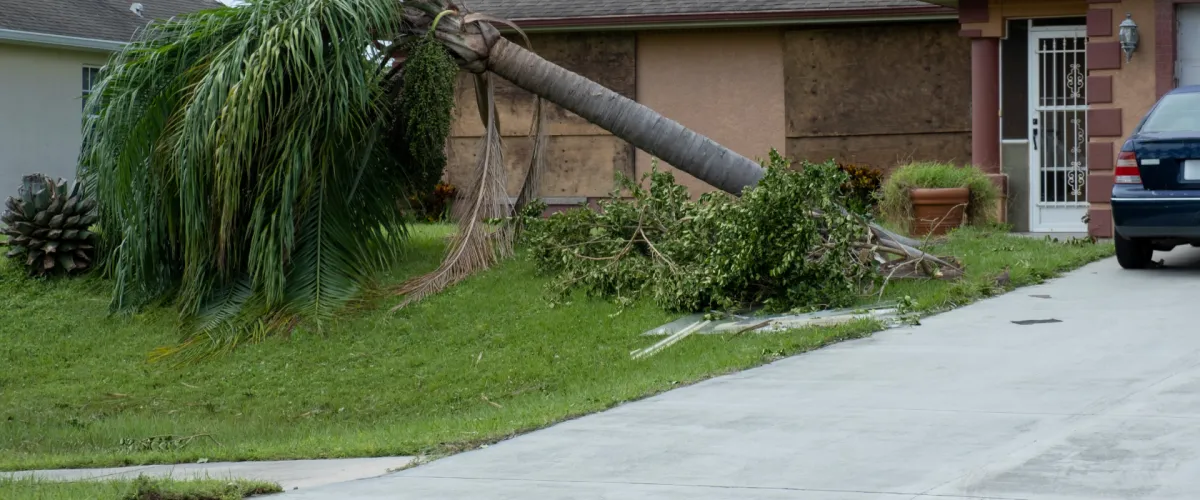
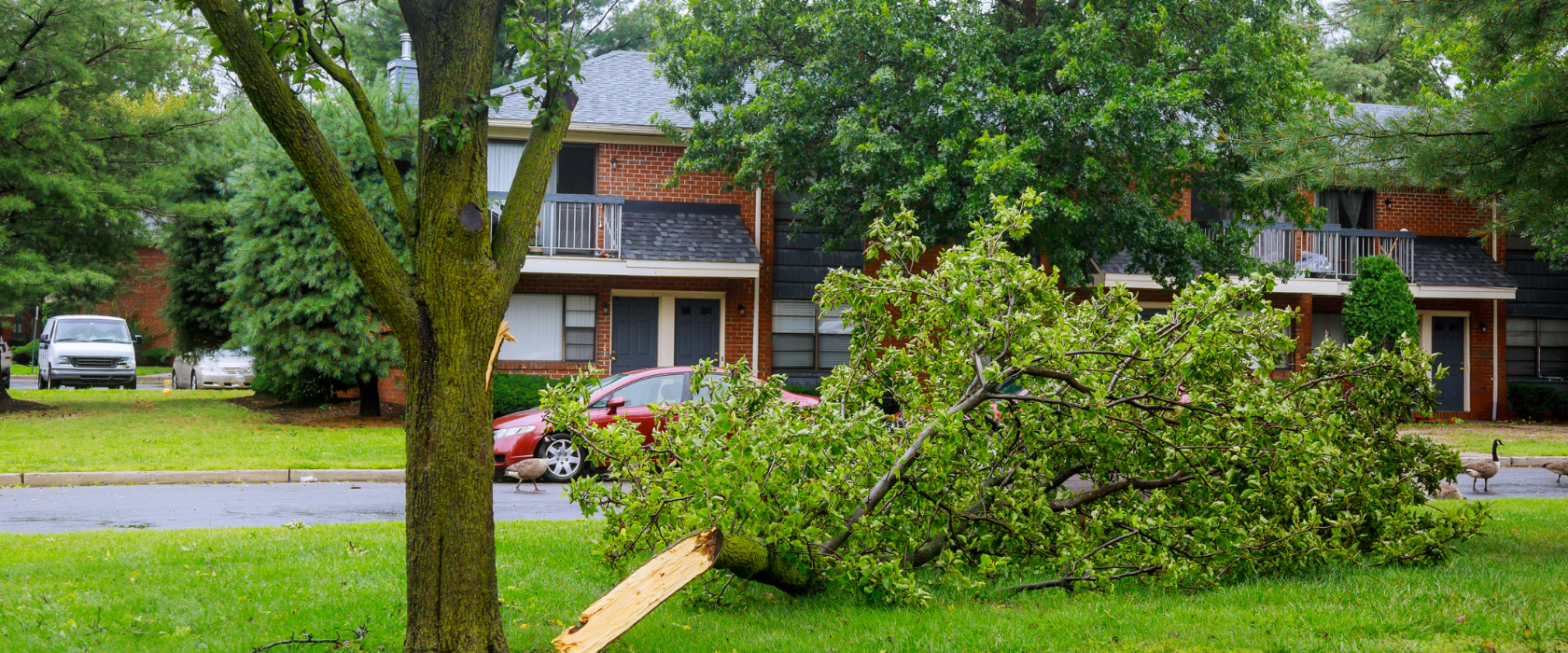
Strong hurricane winds tear grass blades, uproot sod edges, and scatter heavy debris across yards. Branches, leaves, and trash create thick piles that block sunlight and trap moisture. These conditions encourage fungus and mold growth within days.
Debris also weighs down grass, causing it to mat flat. Matted grass struggles to recover because it cannot breathe properly. Without removal, dead patches spread and soil becomes compacted underneath.
Common Lawn Problems After a Charlotte County Hurricane
Brown Patches and Grass Death
Saltwater combined with flooding kills Saint Augustine grass in large patches. This is the most common grass type in Charlotte County, and it suffers heavily from salt exposure. New sod often lifts at edges after storms, leaving exposed roots that need immediate topsoil coverage.
Brown patches appear 3 to 7 days after the storm passes. If you wait longer, dead grass becomes harder to replace. Early action prevents spread to healthy areas.
Fungus and Mold Outbreaks
Humid post-storm weather triggers brown patch fungus, especially in dense turf areas. Fungus spreads quickly when grass stays wet for days. Brown spots appear small but grow larger if untreated.
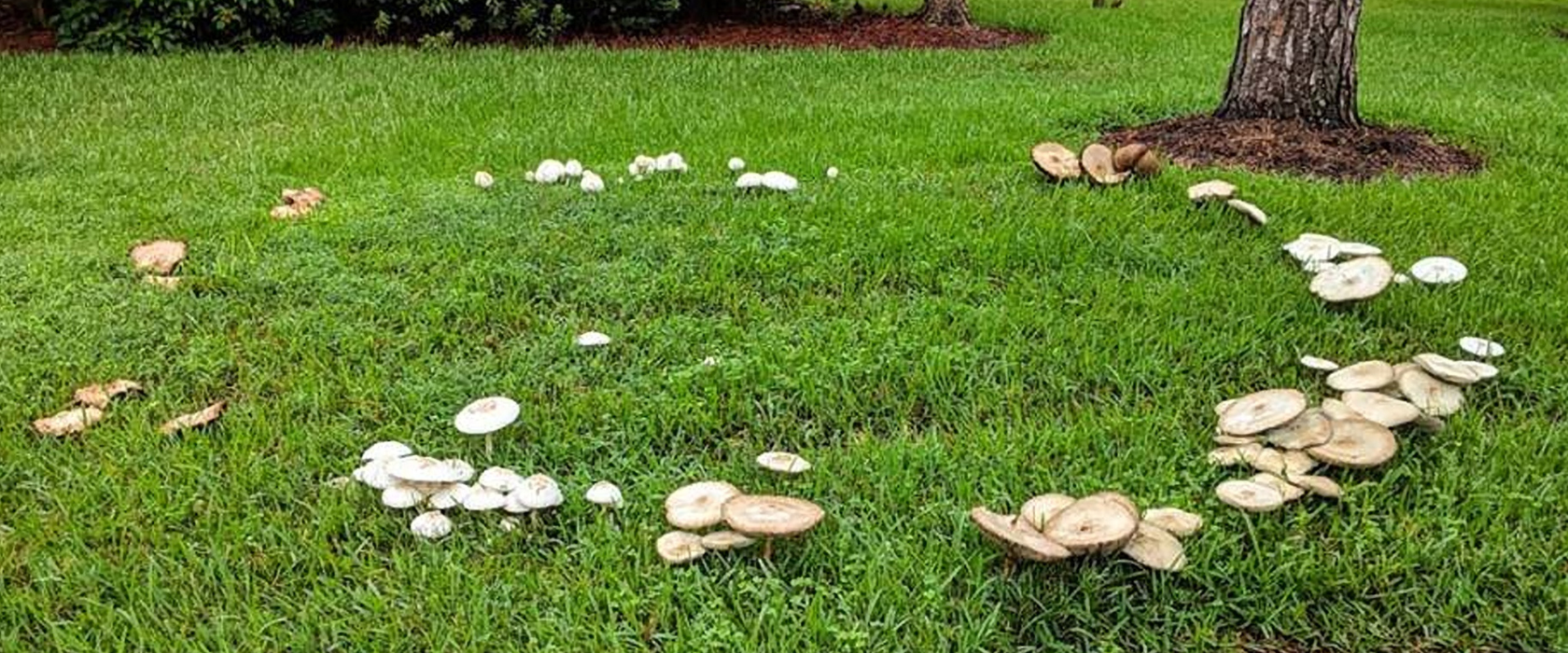
Fungus thrives in matted grass under debris piles. Without cleanup, mold spreads across entire yards within weeks. Treatment requires fungicide application within the first week after storms.
Soil Compaction and Erosion
Heavy rain compresses soil, blocking air and nutrients from reaching roots. Compacted soil feels hard when you walk on it and holds water poorly. Grass in these zones grows thin and weak.
Erosion washes away topsoil in sloped areas, leaving bare spots that need replanting. Exposed roots dry out quickly and die without coverage. Small erosion zones need topsoil immediately, while larger areas require sod replacement.
Irrigation System Malfunctions
Storms damage sprinkler heads, controllers, and valves across Charlotte County. Waterlogged systems continue running even after rain stops, causing overwatering. Broken sprinkler heads spray unevenly or leak constantly.
Check your irrigation system within 48 hours after storms. Look for broken heads, leaking pipes, and controller malfunctions. Early repair prevents further lawn damage.
Pre-Hurricane Season Lawn Prep: Protect Your Grass Before the Storm
Mow at the Right Height
Raise your mower deck 25 to 30 percent higher before hurricane season arrives. Tall grass withstands wind stress better than short grass. Mow 3 to 4 days before predicted severe weather, not right before the storm hits.
Saint Augustine grass should be 3.5 to 4 inches tall. Zoysia grass works best at 2 to 3 inches. Cutting too low weakens grass before storms arrive.
Turn Off Irrigation Systems
Shut off sprinklers 1 to 2 days before storms begin. This prevents overwatering when rain adds inches overnight. Modern rain-sensor systems help, but manual shutdown offers better protection.
Leave irrigation off until soils dry out after storms. Running sprinklers on wet grass causes more damage than help.
Trim Trees and Remove Debris
Cut weak or damaged tree branches before hurricane season. These branches become dangerous projectiles during high winds. Clear your yard of furniture, potted plants, toys, and trash cans. Anything wind can lift will damage your lawn.
Debris removal starts weeks before storms. Regular cleanup prevents buildup that worsens wind damage.
Skip Fertilization Right Before Storms
Avoid high-nitrogen fertilizers 1 to 2 weeks before peak hurricane season. Fertilizer plus heavy rain washes nutrients away and burns grass. Healthy grass before storms means better recovery after.
Wait until soils dry and grass shows new growth before fertilizing again.
Check Drainage Systems
Clear drains, grates, and gutters of debris before storms arrive. This prevents pooling water that damages lawns. Lightly aerate compacted zones to help water drain faster.
Good drainage before storms reduces waterlogging damage afterward.
Immediate Post-Hurricane Lawn Care: What to Do First
Wait for Safety and Dry Soil
Stay off saturated soil for 24 to 48 hours. Walking on wet grass tears roots and creates bare spots. Do not mow until ground feels firm underfoot. Mowing wet grass tears blades instead of cutting them cleanly.
Wait at least two days after storms before inspecting damage. Rushing causes more harm than good.
Remove Large Debris First
Clear branches, leaves, and trash using a leaf blower or gentle rake. Avoid ripping sod while removing debris. Start with large items, then work toward smaller debris. Rake gently to prevent disturbing sod rolls.
Debris removal within 24 hours prevents fungus spread. Moisture under piles triggers mold quickly.
Flush Out Saltwater for Coastal Homes
If your lawn soaked in saltwater, irrigate heavily with clean fresh water. This floods salt from soil before it kills roots permanently. Water more frequently than normal for 1 to 2 weeks after storms.
Coastal areas like Boca Grande need extra flooding. Salt stays in soil longer near the beach.
Press Down Lifted Sod Edges
New sod often lifts at edges after storms. Press these areas gently back down to reattach roots. Cover exposed roots with light topsoil or compost immediately.
Uncovered roots dry out and die within days. Quick action saves expensive sod.
Post-Hurricane Lawn Recovery: 1–4 Weeks After the Storm
Resume Mowing at Proper Height
Resume mowing when grass reaches ideal height again. Saint Augustine needs 3.5 to 4 inches. Zoysia works at 2 to 3 inches. Do not scalp your lawn. Cutting too low delays recovery and weakens grass.
Mow frequently enough to maintain height without removing more than one-third of blade length per cut.
Apply Fungicide if Brown Patches Appear
Treat brown patches with fungicide within 3 to 7 days post-storm. Humid weather after storms creates fungus risk, especially in dense turf. Follow product instructions carefully for best results.
Fungus spreads quickly if untreated. Early application stops spread before it covers entire yards.
Fertilize 1–2 Weeks After Storm
Apply balanced fertilizer 1 to 2 weeks after storms pass. Avoid high-nitrogen formulas that stress damaged roots. Root-stimulating fertilizer like 18-46-0 helps damaged root systems recover faster.
Wait until grass shows new green growth before fertilizing. Applying too soon wastes nutrients.
Aerate Compacted Soil Zones
Solid-tine aeration with ¼ inch maximum depth helps roots recover from compaction. Follow aeration with topdress compost to replenish soil nutrients. Compacted zones need air back for healthy growth.
Aeration works best when soil is slightly moist, not wet.
Replace Dead Sod Sections
Areas beyond repair need removal and replacement with fresh sod. Small patches under a few square feet heal naturally since Saint Augustine spreads 8 to 10 inches per season. Larger patches require plugs, sprigs, or full sod installation.
Remove dead grass completely before laying new sod. Exposed soil needs preparation for new roots.
When to Call a Professional Lawn Care Service in Charlotte County
Signs You Need Expert Help
Large dead sod areas over 10 square feet need replanting. Persistent fungus after 2 weeks of treatment requires professional assessment. Irrigation system damage needs repair by licensed technicians. Soil erosion and compaction need professional aeration services.
Why Choose Charlotte County LawnCare & Landscaping
Charlotte County LawnCare & Landscaping serves Venice, Englewood, Port Charlotte, North Port, Punta Gorda, and Boca Grande with over 19 years of experience [web:brand]. Hundreds of 5-star "Raving Fan" reviews praise Jay, Roberto, and our team for reliability and detail [web:brand].
We offer full storm recovery services including sod replacement, aeration, fertilization, pruning, and irrigation repair [web:brand]. Our family-owned business is a second-generation landscaping company operating since 2007. We guarantee great rates and better quality than competitors [web:brand].
Book your post-storm recovery now at (941) 380-3118. Free quotes are available for all Charlotte County homeowners.
Final Checklist: Hurricane Lawn Prep and Recovery for Charlotte County Homeowners
Pre-Storm Actions:
Raise mower deck 25–30% higher
Turn off irrigation 1–2 days before storms
Trim weak tree branches
Clear yard of loose items
Skip fertilization before storm
Post-Storm (Days 1–3):
Wait 24–48 hours before walking or mowing
Remove large debris gently
Flush saltwater with fresh water
Press down lifted sod edges
Check irrigation system damage
Recovery (Weeks 1–4):
Fertilize with root-stimulator
Apply fungicide if brown patches appear
Aerate compacted soil zones
Replace dead sod sections
Resume mowing at proper height
Conclusion
Hurricane season destroys Charlotte County lawns through flooding, saltwater, debris, and fungus. Pre-storm preparation plus immediate post-storm care plus a 4-week recovery plan equals healthy lawn bounce-back.
Charlotte County LawnCare & Landscaping has protected hundreds of lawns across Venice, Englewood, Port Charlotte, North Port, and Boca Grande for 19+ years. Dozens of 5-star reviews confirm our expertise in storm recovery [web:brand].
Don't let hurricane damage ruin your lawn permanently. Call Charlotte County LawnCare & Landscaping today at (941) 380-3118 for free post-storm recovery quotes. We bring your lawn back to lush green fast.