
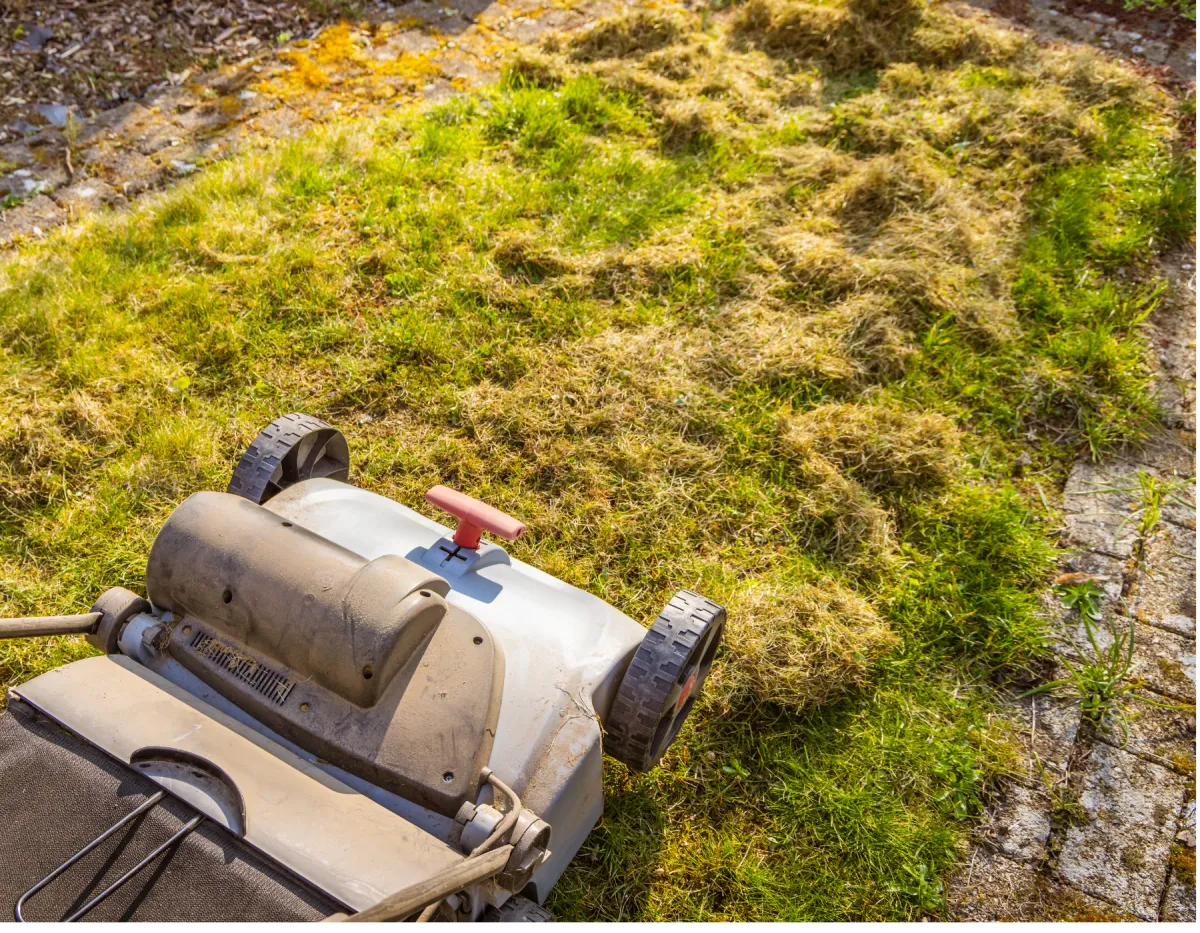
Why Your Lawn is Dying in Florida Summer Heat | Charlotte County Lawns
Your lush green lawn turned brown in just two weeks of Florida summer heat. You water regularly. You mow weekly. Yet the grass dies. This frustration hits homeowners across Venice, Englewood, Port Charlotte, and North Port every July and August.
Heat stress isn't just about temperature. Watering mistakes, sandy soil, pests, and fungus work together to kill your lawn. You need to understand all seven causes to save your grass.
Charlotte County Lawncare & Landscaping has served these communities for over 19 years. Hundreds of raving-fan clients trust us to keep their lawns green through August. We will share the exact fixes that revive dying grass in 48 to 72 hours.
1. Watering Mistakes Are the #1 Cause of Dying Florida Lawns
Most homeowners water their lawn wrong in summer. They think more water equals a healthier lawn. That idea hurts your grass instead of helping it.
You should water between 5 and 9 a.m. only. Early morning watering reduces evaporation and prevents fungal disease. Nighttime watering promotes fungus because moisture sits on blades without drying.
Aim for 1 to 1.5 inches of water per week. Deliver it in 2 to 3 deep sessions, not daily light sprinkles. Light watering creates shallow roots that cannot survive drought.
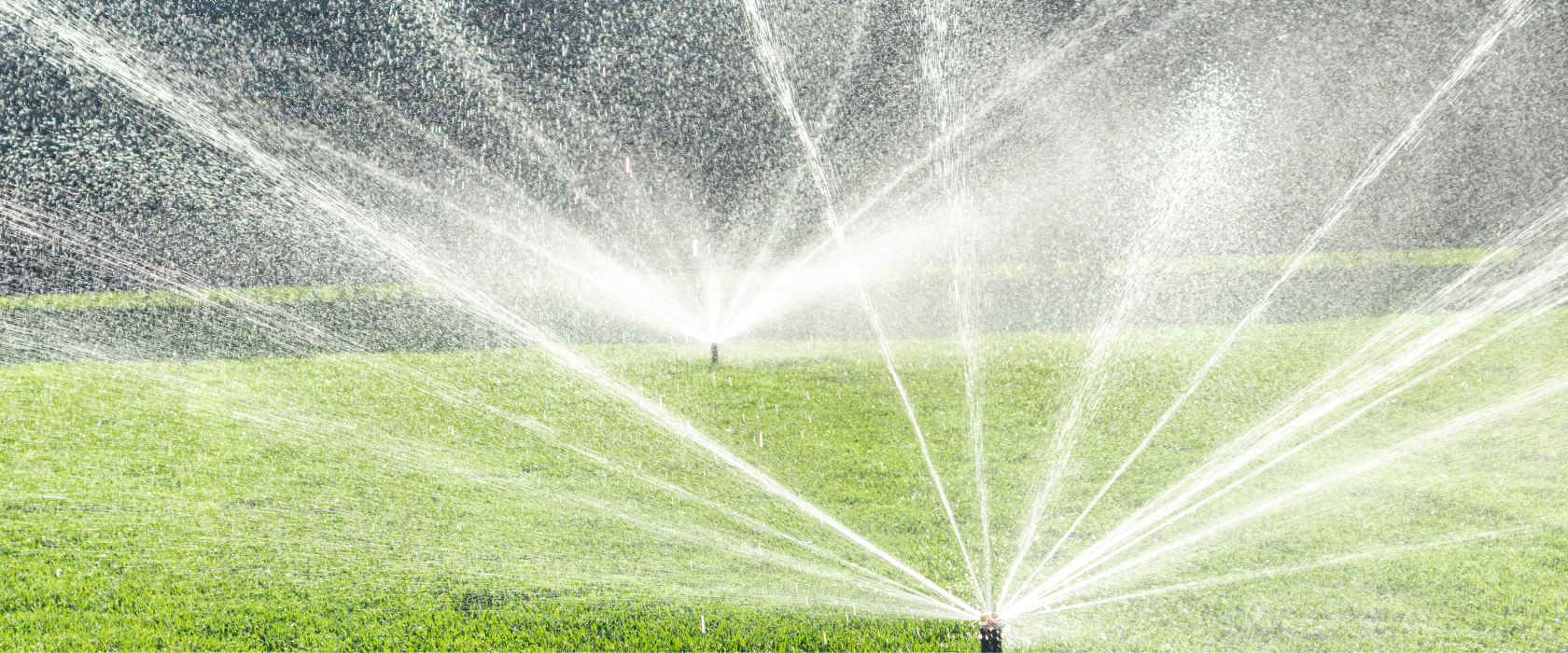
Use a rain gauge or tuna can to measure coverage. Place it on your lawn while the sprinklers run. Check the water level after each session.
Common watering blunders kill lawns fast. Frequent light watering creates weak roots. Overwatering drowns roots and wastes water. Both mistakes lead to brown grass.
Check if your lawn is dehydrated with a simple test. Step on the grass. If it stays flat and does not bounce back, your lawn lacks water. Push a screwdriver into the soil. If it won't penetrate 4 inches, the soil is dry.
Homeowners in Venice and Englewood struggle with irrigation systems. Summer evaporation rates change what your lawn needs. Old settings no longer work.
2. Heat Stress vs. Lawn Fungus: How to Diagnose the Real Problem
Your lawn turns brown, but you cannot tell if heat or fungus caused it. The fix depends on the real problem. Misdiagnosis wastes time and money.
Drought stress shows uniform brown or grayish-blue color. The soil cracks and feels dry. Grass blades curl or fold inward. Footprints linger for 5 minutes or more after you walk on the lawn.
Lawn fungus creates irregular brown or yellow patches. The damage looks scattered, not uniform. White, pink, or black spots appear on blades. The grass feels slimy or smells musty. Yellowing happens in wet, low spots from overwatering during summer storms.
Fix drought stress by adjusting your watering schedule. Water deeply but infrequently. Consider drought-resistant grass types for next season.
Treat fungus by watering in the morning only. Apply fungicide for brown patch or dollar spot. Trim shrubs to improve airflow across your lawn.
Charlotte County Lawncare & Landscaping diagnoses lawn problems accurately. Our team spots the difference between heat stress and fungus in minutes. We apply the right treatment fast.
3. Mowing Grass Too Short Scalps Your Lawn and Accelerates Heat Death
You mow your lawn too short to make it look neat. That habit kills your grass during summer heat. Scalping removes the blade that protects roots from sun.
Never remove more than one-third of the grass blade at once. Cut too much and roots shrink. Shallow roots cannot survive drought.
St. Augustine grass needs 3.5 to 4 inches in summer. Varieties like Floratam, Palmetto, and CitraBlue thrive at this height. Zoysia grass stays healthy at 1.5 to 2.5 inches.
Keep mower blades sharp. Dull blades tear grass instead of cutting it. Torn grass creates disease entry points. Fungus attacks weak spots.
Scalping causes serious damage. Roots shrink and become less drought-resistant. Soil bakes faster under bare spots. Weeds like crabgrass invade weak areas.
Our team at Charlotte County Lawncare & Landscaping mows weekly with sharp blades. We maintain proper height for your specific grass type. This is why our clients have lush lawns while neighbors' yards turn brown.
4. Chinch Bugs & Sod Webworms: The Hidden Pests Killing Florida Lawns in Summer
Pests hide under your grass and eat it from below. You see brown patches but cannot find the cause. Chinch bugs and sod webworms are the hidden killers.
Chinch bugs create spongy turf that lifts like carpet. Gray moths hover over the lawn. Irregular patches expand near concrete edges. The damage starts small but grows fast.
Sod webworms attract birds and raccoons. These animals dig up your lawn because they eat the bugs. Gray moths appear at dusk near infected areas.
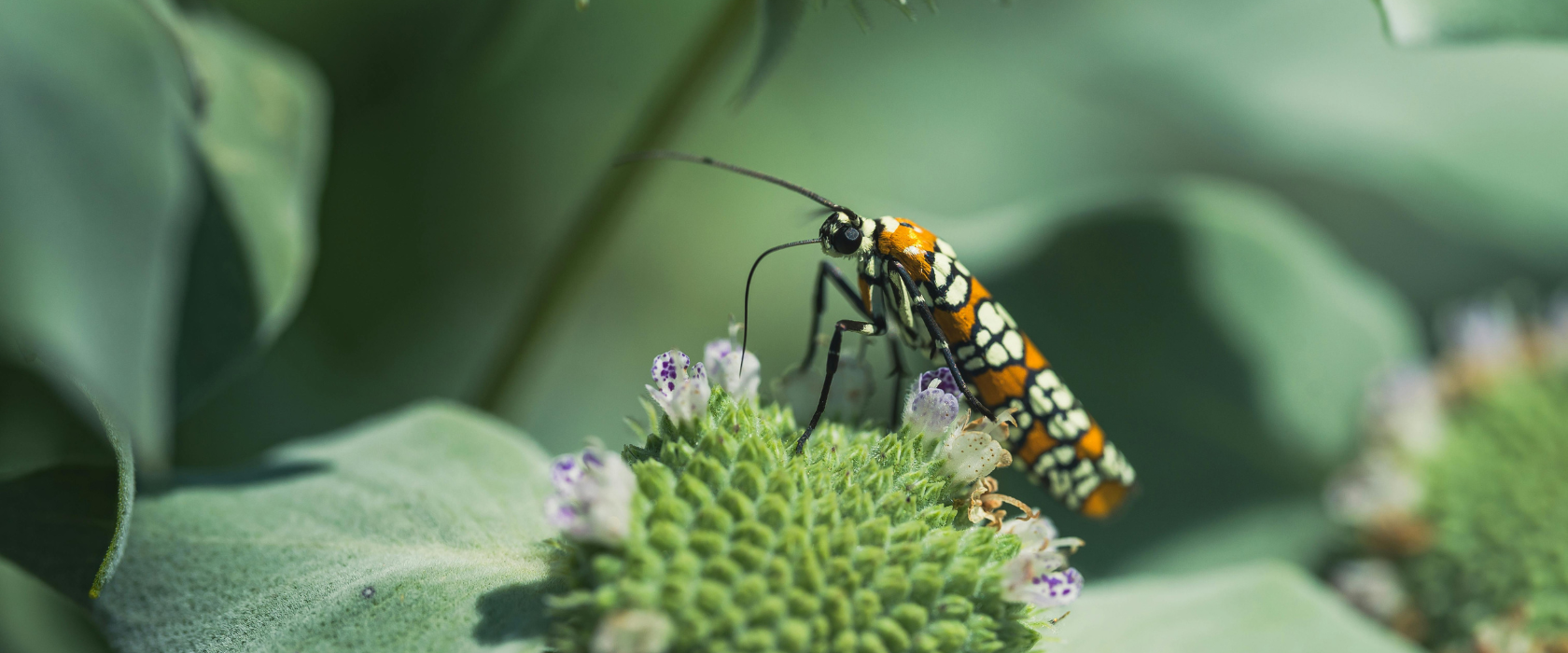
Peak damage happens in July and August. Check your lawn constantly during this window.
Eliminate lawn pests with targeted treatments. Apply pest control preventatively in late spring or early summer. Spot-treat infected areas instead of using harsh chemicals across your entire yard.
Charlotte County Lawncare & Landscaping applies targeted, long-lasting pest control. Our clients enjoy worry-free summers. We identify pests early and treat them before they spread.
Test for chinch bugs with a simple method. Insert a ring can into the soil. Fill it with water. Wait 10 minutes. Watch for bugs to surface. This test confirms infestation fast.
5. Florida's Sandy Soil Locks Out Water and Nutrients
Florida soil drains water faster than your lawn can use it. Sandy soil creates a cycle of dry-out and stress. This makes heat damage worse.
Repeated dry-out cycles create hydrophobic soil. Water beads up and runs off instead of soaking in. Your lawn stays dry even after you water.
Alkaline pH locks out iron and manganese. These nutrients keep grass green. Without them, your lawn fades to pale yellow.
Apply wetting agents or soil surfactants every 4 to 8 weeks during warm season. These products break down hydrophobic soil. Water penetrates deep instead of running off.
Use humic acid with sea kelp biostimulants. These improve soil structure and nutrient retention. Roots absorb water and nutrients more efficiently.
Lawn aeration punctures compacted soil. Air, water, and nutrients reach roots faster. Aeration is essential for sandy soil in Charlotte County.
Charlotte County's limestone-derived alkaline soils are especially prone to nutrient lockout. Our soil testing service identifies exactly what your lawn needs. We adjust pH and add missing nutrients.
6. Dog Urine Burns Create Circular Dead Spots
Your dog urinates on the lawn. Circular dead spots appear within days. The urine burns grass and kills it fast.
Rinse urine spots immediately with water. Dilution reduces the burn. Act fast or the spot expands.
Train dogs to use a mulch or gravel area. Redirect them away from grass. This prevents future burns.
Neutralize damage with gypsum or lawn repair treatments. Gypsum balances soil pH. Repair treatments rebuild damaged grass.
Both male and female dogs cause urine burns. The myth that only males hurt lawns is false. All dogs create the same damage.
Large dead patches need plug repair or partial re-sodding. Small spots may recover with treatment.
Charlotte County Lawncare & Landscaping offers sod installation and repair services. Contact us for a free estimate. We fix dog burn damage fast.
7. Nutrient Deficiencies Turn Lawns Yellow
Nutrient lack makes your lawn pale. Nitrogen, iron, and potassium shortages show different symptoms.
Overall pale, faded color means nitrogen or iron deficiency. Yellowing leaves appear during summer. Thin patches develop in weak areas.
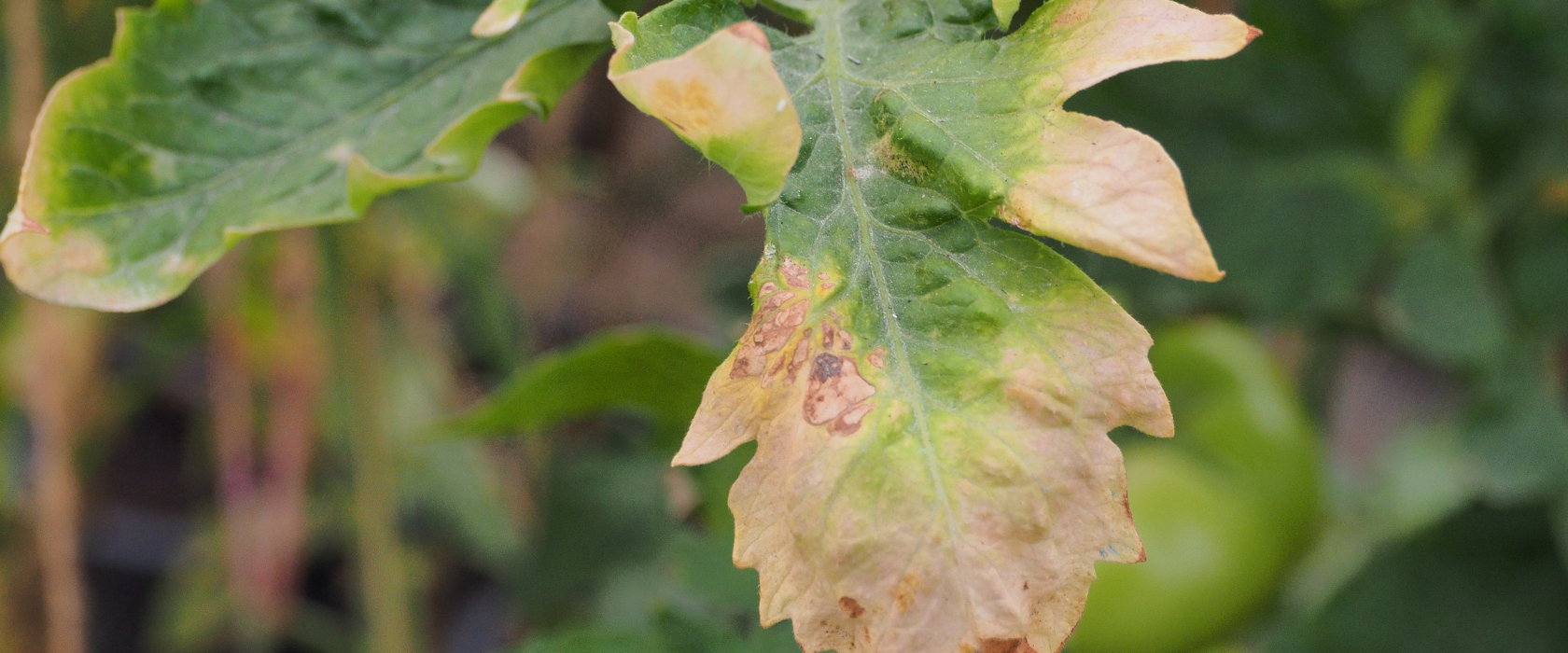
Summer fertilizing follows strict rules in Florida. The fertilizer blackout runs from June 1 to September 30. Nitrogen applications are illegal during this period.
Use potassium-only products like 0-0-22 during blackout. Potassium is the heat-stress nutrient. It helps grass survive summer heat.
Continue fertilizing with blackout-compliant potassium and micronutrients. These support lawn health without breaking the law.
Check soil pH and adjust it. Optimal pH depends on your grass type. St. Augustine prefers slightly acidic soil.
Florida summer fertilizer blackout is crucial local knowledge. Most homeowners miss this rule. Breaking it causes fines and lawn damage.
How to Bring a Heat-Stressed Lawn Back in 48 to 72 Hours
Your lawn turns brown but you want it green fast. Follow this step-by-step recovery plan. Results appear in 48 to 72 hours.
Deep water immediately. Apply ¾ inch in a single early-morning cycle. Use a wetting agent if soil is hydrophobic. Water penetrates deep instead of running off.
Check your irrigation system. Fix broken nozzles. Adjust misaligned heads. Repair pressure problems. Proper coverage saves your lawn.
Raise mowing height temporarily. Set it to 4 inches for St. Augustine instead of 3.5 normal. Taller grass protects roots from sun.
Hold off on nitrogen. Applying nitrogen is wrong agronomically. It is also illegal during the summer blackout.
Apply kelp and humic acid biostimulant. These support root development under stress. Roots grow stronger and deeper.
Be patient. Crisped, straw-colored areas may take 4 to 6 weeks to recover completely. Green tips appear first. Full recovery takes time.
How to Prevent Heat Stress Before Summer Arrives
Prevention starts in March or April. Lawns failing in July were weak in May. Fix problems before heat arrives.
Water deep, infrequent, and morning-only. Adjust seasonally as temperatures rise. Summer needs more water than spring.
Use wetting agents on hydrophobic-prone soils. Apply them every 4 to 8 weeks. This keeps soil absorption working.
Build potassium into your spring program. Use ratios like 7-0-20 or 8-0-12. Potassium strengthens grass before heat stress.
Apply humic acid and sea kelp every 4 to 6 weeks. These biostimulants improve soil health. Roots absorb nutrients better.
Mow at the right height. Never scalp your lawn. Keep St. Augustine at 3.5 to 4 inches.
Test soil annually. Fix pH, organic matter, potassium levels, and compaction. Soil testing prevents problems before they start.
At Charlotte County Lawncare & Landscaping, our prevention program starts with a soil test and irrigation audit. This is why our clients' lawns hold color through August while neighbors' yards brown out. We serve Venice, Englewood, Port Charlotte, North Port, and Boca Grande for 19+ years. Hundreds of raving-fan clients trust us.
Local Lawn Care Services in Charlotte County: When to Call a Professional
Some problems require professional help. Know when to call Charlotte County Lawncare & Landscaping.
Large dead patches need re-sodding. Small spots may recover with treatment. Big areas need new grass.
Irrigation system failures happen after storms. Broken nozzles and misaligned heads waste water. Repairs restore proper coverage.
Persistent pest infestations continue despite treatment. Professional pest control stops the cycle. We identify the right pest and apply targeted treatment.
Hydrophobic soil won't accept water. Water beads up and runs off. Wetting agents and aeration fix this problem.
Char lotte County Lawncare & Landscaping offers complete lawn services. We provide lawn mowing, aeration, fertilization, pest control, sod installation, and irrigation repair.
Our team is family-owned and operated by 2nd-generation landscapers. We started in 2007 and serve our community with pride.
Our mission states: Great Rates and Better Quality, GUARANTEED. Dozens of 5-star reviews prove our work.
Call or text us at (941) 380-3118 for free quotes. We offer free soil tests and walk-throughs.
We proudly serve Venice, Englewood, Port Charlotte, North Port, Punta Gorda, and Boca Grande. Over 19 years of experience backs our work.
Conclusion
Heat stress is preventable. Lawns failing in July were weak in May. Fix the underlying causes to save your grass.
Address watering mistakes first. Adjust your schedule to deep, infrequent, morning-only watering. Fix sandy soil with wetting agents and aeration. Apply potassium during the summer blackout. Control pests before they spread.
Don't let another summer brown your lawn. Charlotte County Lawncare & Landscaping has the expertise to keep your yard green through August. Contact us for a free soil test and walk-through at (941) 380-3118.
Our team serves Venice, Englewood, Port Charlotte, North Port, and Boca Grande for 19+ years. Hundreds of raving-fan clients trust us. We deliver great rates and better quality, guaranteed.