
Fix Brown Patches in Lawn | Charlotte County FL Guide
Your lawn in Venice, Englewood, or Port Charlotte suddenly shows brown spots. You water more, but the patches keep growing. This frustrating problem hits many Charlotte County homeowners during hot, humid summers. Brown patch disease is the most common cause, especially in St. Augustine grass. But bugs, drought stress, or compacted soil can also create those ugly brown patches.
At Charlotte County Lawncare & Landscaping, we have fixed hundreds of brown-patch lawns since 2007. Our team serves Venice, Englewood, Port Charlotte, North Port, and Boca Grande for over 19 years. We know exactly what works in Southwest Florida's sandy soil and humid climate. This guide gives you a step-by-step fix plus a prevention plan tailored to Charlotte County.
You will learn how to identify the real cause, apply the right treatment, and stop brown patches from returning. Follow these steps, and your lawn will turn green again. Let's get started.
Identify the Real Cause: Is It Brown Patch Fungus or Something Else?
Most people assume brown patches mean fungus. But that guess can cost you time and money. You need to diagnose the problem correctly before you treat it. Charlotte County lawns face several issues that look similar but require different solutions.
Brown Patch Disease Symptoms in St. Augustine Grass
Brown patch is a fungal disease that thrives in Florida's heat and humidity. It affects St. Augustine grass, the most common turf in our area. Look for these specific signs:
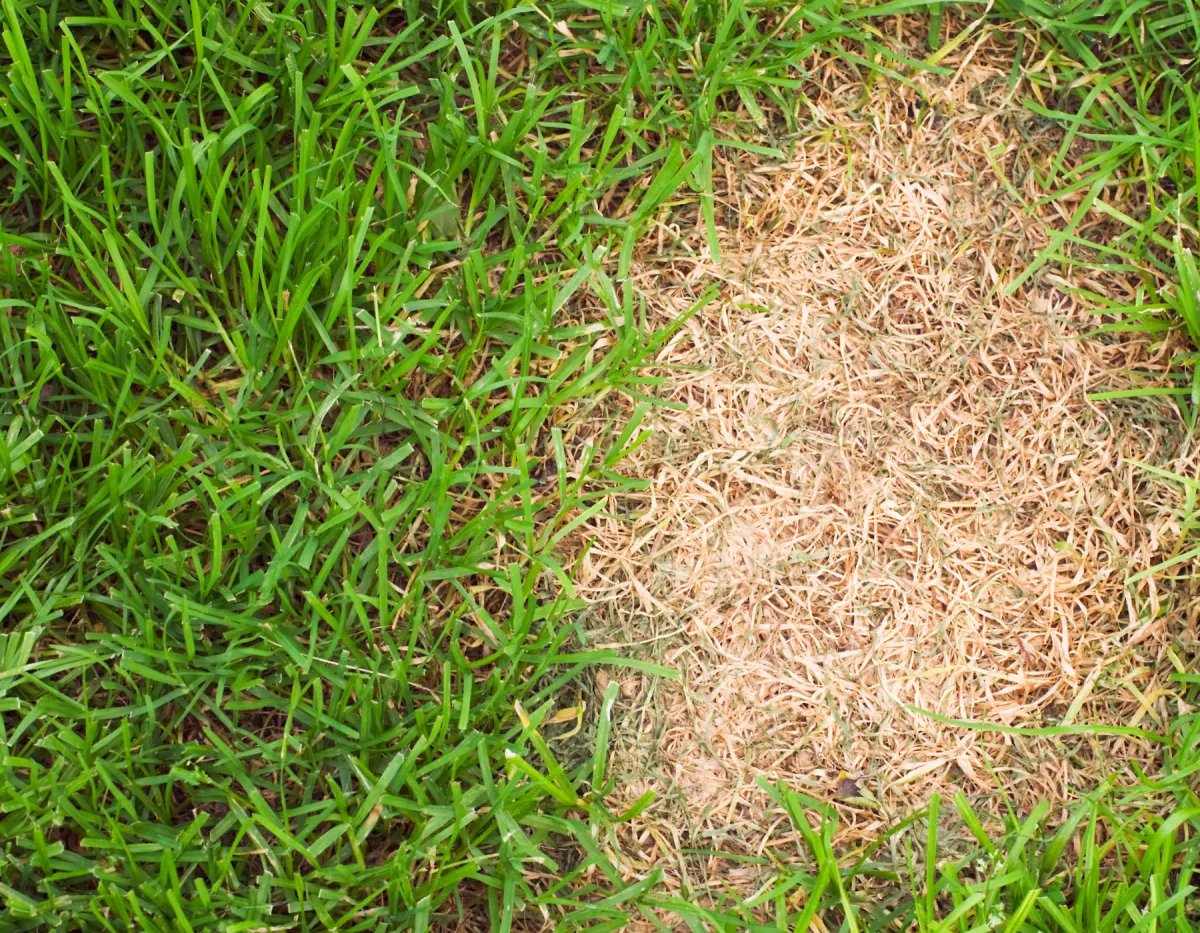
Circular patches appear first, starting as small as a dinner plate. These patches grow to several feet wide over time. The grass inside turns brown while the outer edge stays green. This creates a "frog-eye" pattern.
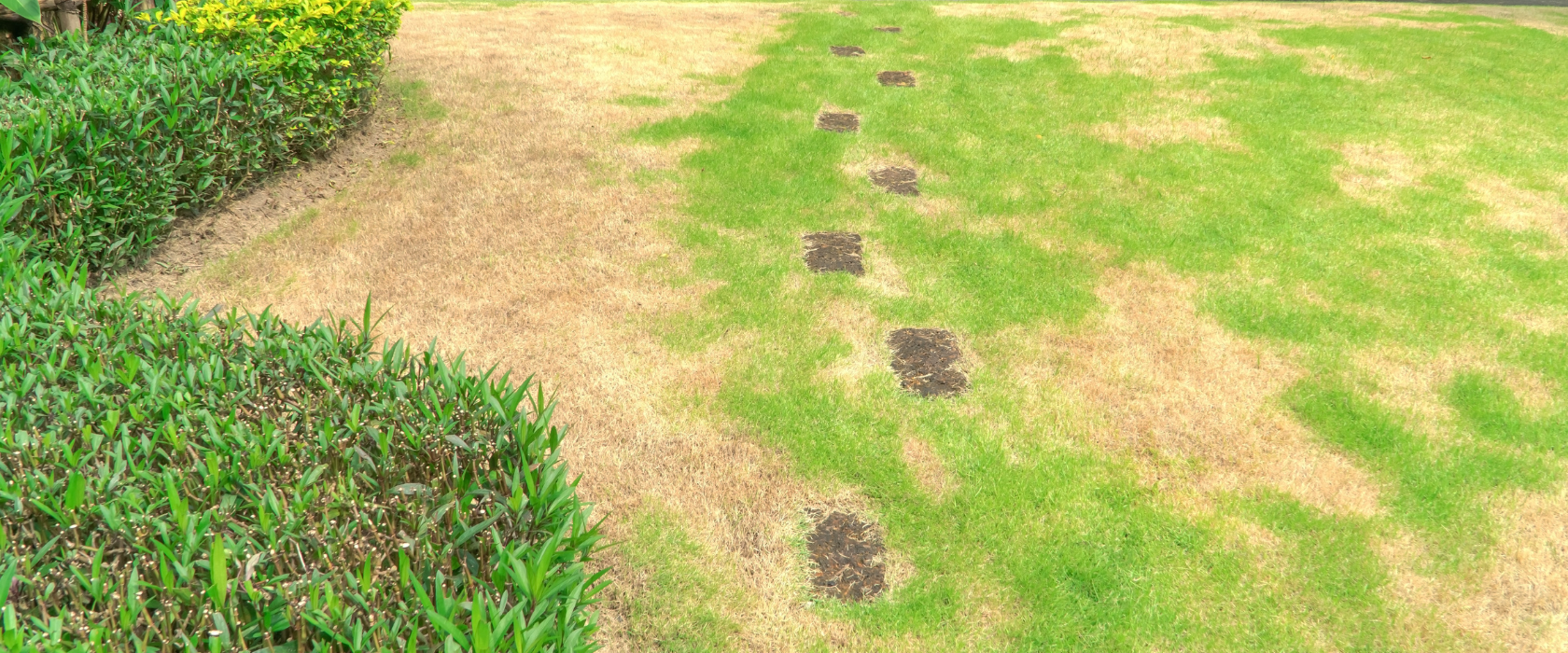
The lower part of dead leaves shows dark brown rot. You can pull the brown leaf blade easily from the stem. This weak attachment is a key warning sign. The disease spreads fast during spring and fall transition seasons when nights stay warm.
Brown patch becomes active when nighttime temperatures stay above 60°F. Summer humidity in Charlotte County creates perfect conditions for this fungus. Rain followed by hot days makes the problem worse.
Other Common Causes of Brown Spots in Charlotte County
Brown patches can come from sources other than fungus. Your sandy soil and local pests create unique challenges. Here are the main alternatives to check:
Chinch Bugs cause random brown patches that do not recover. These tiny bugs attack grass roots in Florida sandy soil. Port Charlotte lawns suffer heavily from chinch bug damage. You will see brown areas that look like drought stress but watering does not help.
Drought Stress creates uniform browning across large areas. Your soil in Englewood drains fast, so grass dries quickly. Check if soil is dry 6–8 inches deep. If the ground feels hard and dry, your lawn needs more water.
Compacted Soil prevents roots from getting oxygen. North Port lawns often become compacted over time. Push a screwdriver into the ground. If it won't push in easily, you have compaction.
Grubs and Sod Webworms create spongy turf you can lift up. These pests eat grass roots in Boca Grande and surrounding areas. You might see white worms when you peel back the brown grass.
Quick Diagnosis Test You Can Do Today
Don't guess—test your lawn properly. Use this simple method to find the real cause:
Push a screwdriver into the brown spot. If it hits hard soil, you have compaction. Water the area deeply for three days. If brown patches do not improve, bugs or fungus are likely.
Pull a brown leaf blade. If it snaps off easily with a dark rotting base, you have brown patch fungus. If the blade stays firm but brown, check for drought or bugs.
Look for tiny bugs by shaking grass over white paper. Chinch bugs look like small gray specks. Grubs look like white curved worms under the soil.
Call a professional if you cannot identify the cause. Charlotte County Lawncare & Landscaping offers free lawn diagnostics. Our team has diagnosed thousands of lawns in Venice and Englewood over 19 years.
Step-by-Step: How to Fix Brown Patches in Your Lawn (Charlotte County Method)
Now you know the cause. Follow these five steps to fix brown patches effectively. This method works specifically for Charlotte County's sandy soil and humid climate.
Step 1: Adjust Watering Immediately
Watering mistakes make brown patches worse. Florida humidity plus wrong watering creates perfect fungus conditions. You must change your routine today.
Water only in the morning between 4 AM and 8 AM. Never water in the evening. Night watering keeps grass wet too long, which feeds fungus. Your grass blades need time to dry during the day.
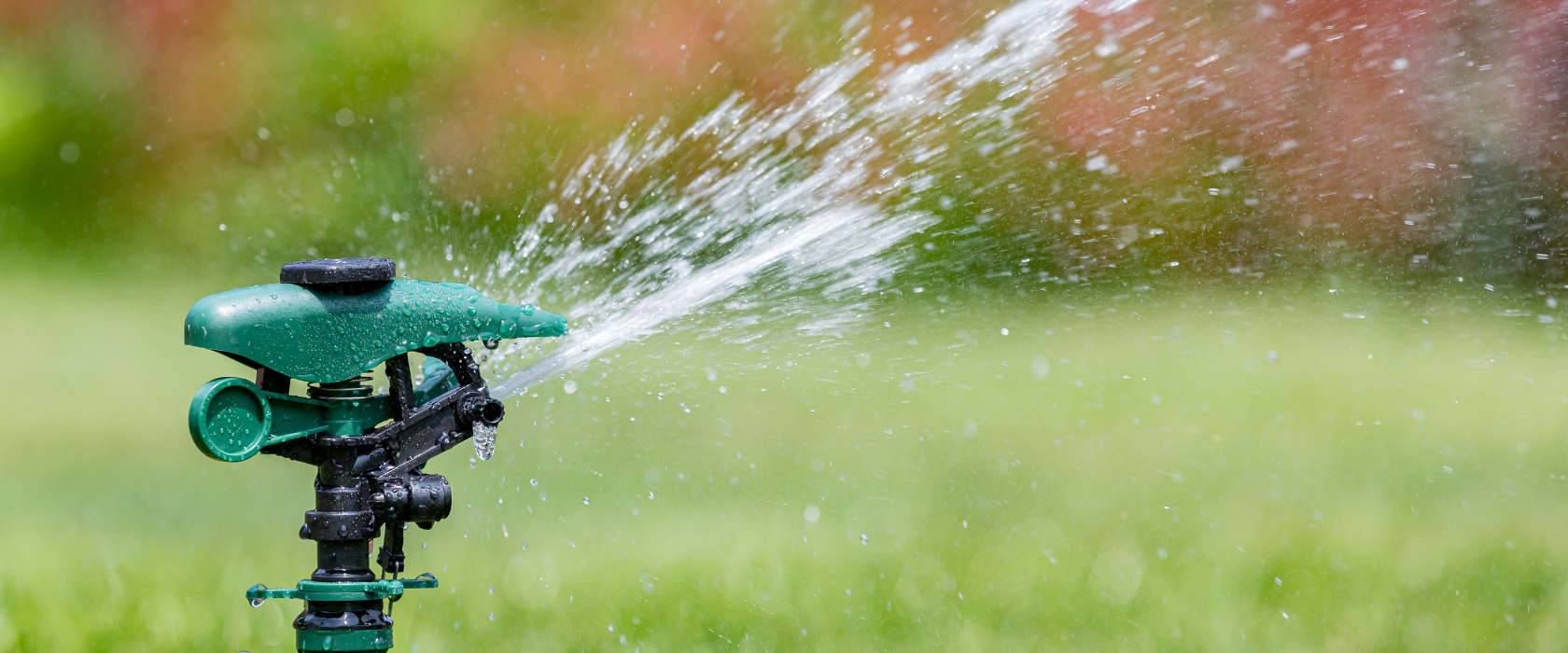
Reduce irrigation until the disease stops spreading. Overwatering worsens brown patch fungus. Water deeply but less often. Aim for 1–2 inches per week total.
Fix any sprinkler problems that create pools. Low spots in Englewood and North Port collect water. This standing water causes fungus to spread faster.
Local tip for Venice homeowners: Your sandy soil drains fast. Water 15 minutes at a time, four times per day. This helps water saturate without running off the top.
Step 2: Stop Fertilizing Temporarily
Fertilizer fuels fungus during active brown patch. Do not apply nitrogen while your lawn has brown spots. This common mistake makes the disease spread faster.
Wait one week after treatment before fertilizing again. Your lawn needs to recover first. Then use slow-release nitrogen, not quick-growth formulas.
Avoid high-nitrogen fertilizers in summer. These products stress St. Augustine grass in Florida heat. Choose balanced fertilizers with potassium instead.
Step 3: Apply Targeted Fungicide
Fungicide stops brown patch from spreading further. Choose products with propiconazole, azoxystrobin, or thiophanate-methyl. These work best for Florida lawns.
Scotts DiseaseEX is available at local Florida garden stores. It works well for homeowner use. Apply at the curative rate of 4 pounds per 1,000 square feet. Water in half an inch after applying.
Do not mow infected areas for two days. Mowing spreads fungus to healthy grass. Bag your clippings instead of leaving them on the lawn.
Professional tip from Charlotte County Lawncare & Landscaping: Our team uses systemic fungicides not available to consumers. These products protect your lawn for weeks instead of days. Get a free diagnosis if DIY treatment fails.
Step 4: Aerate and Dethatch
Sandy soil compaction blocks root oxygen. Dethatching removes dead grass that traps moisture. Both steps prevent fungus from returning.
Dethatch when the layer exceeds half an inch thick. Do this in spring or fall, not summer. Remove the dead material completely from your lawn.
Core aerate annually to relieve compaction. This process pulls small soil plugs out of your ground. Roots get air and water after aeration.
Englewood and North Port lawns need annual aeration. Our clients see 40% better grass growth after we aerate. Book aeration with Charlotte County Lawncare & Landscaping for best results.
Step 5: Overseed or Plug Damaged Areas
Dead grass does not grow back. You must replace damaged patches with new grass. Wait until spring for best recovery results.
Use St. Augustine plugs from healthy areas of your lawn. Cut 4-inch squares from green grass. Plant them in the brown spots.
Topdress with compost to improve soil health. Compost adds nutrients to your sandy soil. This helps new grass roots grow strong.
Patience is key. Old damage must grow out naturally. Do not expect instant green recovery. Your lawn will heal over the next few weeks.
Prevent Brown Patches Year-Round: Charlotte County Lawn Care Checklist
Prevention stops brown patches before they start. Follow this checklist every month. Your Venice or Englewood lawn will stay green all year.
Morning Watering Routine
Water between 5 AM and 9 AM every day. This timing allows grass to dry completely. Evening watering keeps grass wet overnight, feeding fungus.
Fix low spots and gutter drainage issues. Pooling water creates fungus hot spots. Charlotte County homes often have poor drainage.
Smart Fertilization Schedule
Apply fertilizer in fall for cool-season grasses. Avoid spring nitrogen applications. Summer heat stresses grass with too much nitrogen.
Use balanced slow-release fertilizer with potassium. Potassium strengthens grass against disease. Choose products labeled for Florida St. Augustine grass.
Annual Lawn Maintenance
Aerate every one to three years depending on soil. Compact soil needs frequent aeration. Our Englewood clients aerate annually.
Dethatch in spring and fall each year. Remove dead grass before it traps moisture. This step prevents fungus from taking hold.
Topdress with compost annually. Compost improves sandy soil quality. Your grass roots grow deeper in better soil.
Improve Airflow and Drainage
Prune overgrown trees blocking sunlight. Grass needs air movement to dry quickly. Dense shade keeps lawn wet all day.
Even out low spots that collect water. Standing water spreads fungus fast. Fix drainage before fungus starts.
Professional Prevention Program
Charlotte County Lawncare & Landscaping offers complete prevention. Our 19-year proven program includes fertilization, aeration, and preventive fungicide spray.
Hundreds of Raving Fan clients trust our service. We serve Venice, Englewood, Port Charlotte, North Port, and Boca Grande. Get your free lawn health assessment today.
When to Call a Pro: Charlotte County Lawn Disease Specialists
DIY treatment works for small patches. But some situations need professional help. Call us when you see these signs.
Signs You Need Professional Help
Brown patches spread after two weeks of DIY treatment. Your effort fails, and the problem grows bigger.
You see visible bugs like chinch bugs or grubs. Pest control requires special products. Homeowners cannot buy these treatments.
Large areas over 20% of your lawn are affected. Contractors fix big problems faster and cheaper.
Soil won't recover after aeration attempts. Your ground needs professional soil amendments.
Why Choose Charlotte County Lawncare & Landscaping
We have 19+ years serving Southwest Florida since 2007. Our team knows Venice and Englewood soil perfectly. We understand Florida humidity and regional pests.
Professional-grade fungicides beat store products. We use systemic treatments that protect for weeks. Consumables buy products that work for days only.
Local expertise matters. We know which treatments work in Port Charlotte versus North Port. Our experience prevents wasted time and money.
Raving Fan guarantee means satisfaction. Dozens of 5-star reviews confirm our lawn disease treatment quality. We fix problems or we do not charge.
Full services include lawn aeration, fertilization, fungicide treatment, and sod installation. One company handles all your lawn needs.
Get Your Free Diagnosis Today
Call or text (941)-380-3118 today. Our office is at 2720 Placida Road, Suite B11, Englewood, FL 34224.
Book your free brown patch diagnosis. We identify the cause and fix it fast. No guesswork, no wasted money.
Charlotte County Lawncare & Landscaping has transformed hundreds of lawns. Let us make yours the next success story.
Conclusion: Get Your Green Lawn Back in Charlotte County
Fixing brown patches requires morning watering, fungicide application, aeration, and plug repair. Follow the five steps in this guide. Your lawn will recover within weeks.
Florida weather is tough on lawns. Summer heat plus humidity creates perfect fungus conditions. But you do not need to live with brown patches.
Charlotte County Lawncare & Landscaping has solved this problem for hundreds of clients since 2007. We serve Venice, Englewood, Port Charlotte, North Port, and Boca Grande. Our 19 years of experience means we know what works.
Your Venice or Englewood lawn can be lush again. Contact us for a free diagnosis. We will identify the cause and fix it fast. Hundreds of Raving Fan clients trust our service.
Don't wait. Brown patches spread quickly. Call today and get your green lawn back. Charlotte County Lawncare & Landscaping is ready to help.